in cross-border business, bgp high-defense us servers are responsible for both routing and forwarding and providing anti-ddos capabilities, which can significantly improve the stability of global user access. reasonable routing strategies and efficient cleaning mechanisms are core elements to ensure service continuity and response speed, especially in the face of large-scale attacks or cross-border link fluctuations.
as the internet's backbone routing protocol, bgp determines traffic paths and reachability. cross-border operations often encounter risks of link delays, path jitters and route hijacking. when u.s. computer rooms face the world, they need to take into account the diversity of exporting isps, autonomous system (as) interconnection relationships, and cross-border policy differences, which in turn affect access quality and compliance.
anycast and multi-line multi-exit are common routing optimization strategies. anycast deploys the same prefix in different regions and uses bgp to naturally select the nearest node; multi-line and multi-exit provides redundancy and path selection by interconnecting with multiple upstreams. the combination of the two can reduce single points of failure, shorten latency, and enable traffic to be accessed nearby.
the flow direction can be finely controlled through bgp attributes (local-pref, as-path, med, community, etc.), and traffic engineering can be implemented with route mapping and prefix filtering. the introduction of rpki/roa and strict prefix filtering can reduce the risk of hijacking. in a multinational environment, properly setting policies can prioritize low-latency or compliant paths between different regions.
bgp high-defense us servers should have real-time traffic monitoring, behavioral baseline identification and automated cleaning. commonly used methods include traffic shunting to cleaning centers, filtering based on protocol characteristics, rtbh (remotely triggered black holes) and rate limiting. rapid identification and hierarchical response can mitigate the impact of attacks without affecting normal business.
by coordinating bgp defense advanced with cdn and edge nodes, static content and hotspot requests can be cached nearby, reducing cross-ocean travel. cooperate with intelligent dns or traffic scheduling to achieve traffic distribution and failover by region, thereby maintaining low latency and high availability when encountering local congestion or attacks.
cross-border operations need to take into account both data compliance and cybersecurity. establish 24/7 route monitoring, bgp anomaly detection and alarm mechanisms, and regularly practice failover and cleaning strategies. implement log retention, access control and legal compliance inspections to ensure traceability and compliance handling capabilities in emergencies.
it is recommended to deploy multi-point cleaning capabilities in the united states and achieve multi-line access, and combine with anycast to improve nearby access; enable rpki and strict prefix filtering to prevent hijacking; conduct traffic engineering through bgp attributes, and collaborate with cdn and edge nodes. develop operation and maintenance manuals and drill plans to ensure response is controllable and compliant.
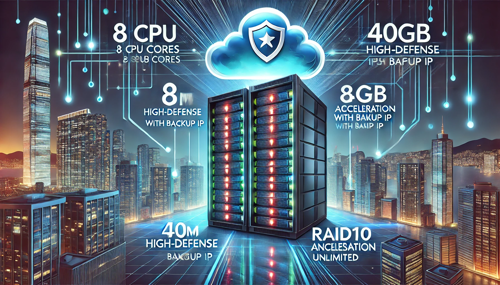
in cross-border operations, bgp high-defense us servers can significantly improve availability and security through route optimization, anycast and multi-line deployment, refined traffic engineering and efficient cleaning mechanisms. combined with continuous monitoring and compliance management, the stable operation and user experience of cross-border business can be maximized.
- Latest articles
- How To Optimize Cross-border E-commerce Access Speed And Stability Through Cambodia Cn2 Return Server
- Cambodian Server Alibaba Cloud’s Practical Experience In Network Acceleration And CDN Integration
- How To Set Up A Korean Purchasing Agent Group? Precautions And Risk Control Strategies For Compliance Operations
- Practical Experience Sharing On Vps Cambodia Node Selection And Global Deployment Strategy
- Operation And Maintenance Exchange American Cloud Server Bar Common Troubleshooting And Response Experience
- Migration Case Analysis: How To Smoothly Switch To Singapore Cn2 Cloud Server And Ensure That Business Is Not Dropped
- A Beginner's Guide Teaches You How To Identify The Service Quality And Potential Risks Of Cheap Hong Kong Site Groups
- How SEO Webmasters Use Vietnam Cn2 To Improve Search Rankings In The Vietnamese Market
- Comparing The Cost-effectiveness And User Experience Of Triple-network Cn2 Malaysia With Single-network Access
- How Can Enterprises Incorporate Free Unlimited Traffic Hong Kong Cn2 Into Disaster Recovery And Capacity Expansion Plans?
- Popular tags
-

Reducing Business Risks In The Process Of Hosting And Renting Servers In The United States Through SLAs And Compensation Mechanisms
This guide explains how to reduce the risk of business disruptions when hosting or renting servers in the United States by establishing clear SLAs and compensation mechanisms. It includes key terms, monitoring requirements, guidelines for calculating compensation, and suggestions for contract negotiations. -

Analysis Of Advantages And Disadvantages Of American Cloud Servers And Selection Suggestions
this article analyzes the advantages and disadvantages of us cloud servers and provides selection suggestions to help users make informed decisions. -
Explore The Future Development And Innovation Direction Of Server Hosting In The United States
discuss the future development trends and innovation directions of server hosting in the united states, including cloud computing, data security, and green technology.